
What Is the Producer Price Index?
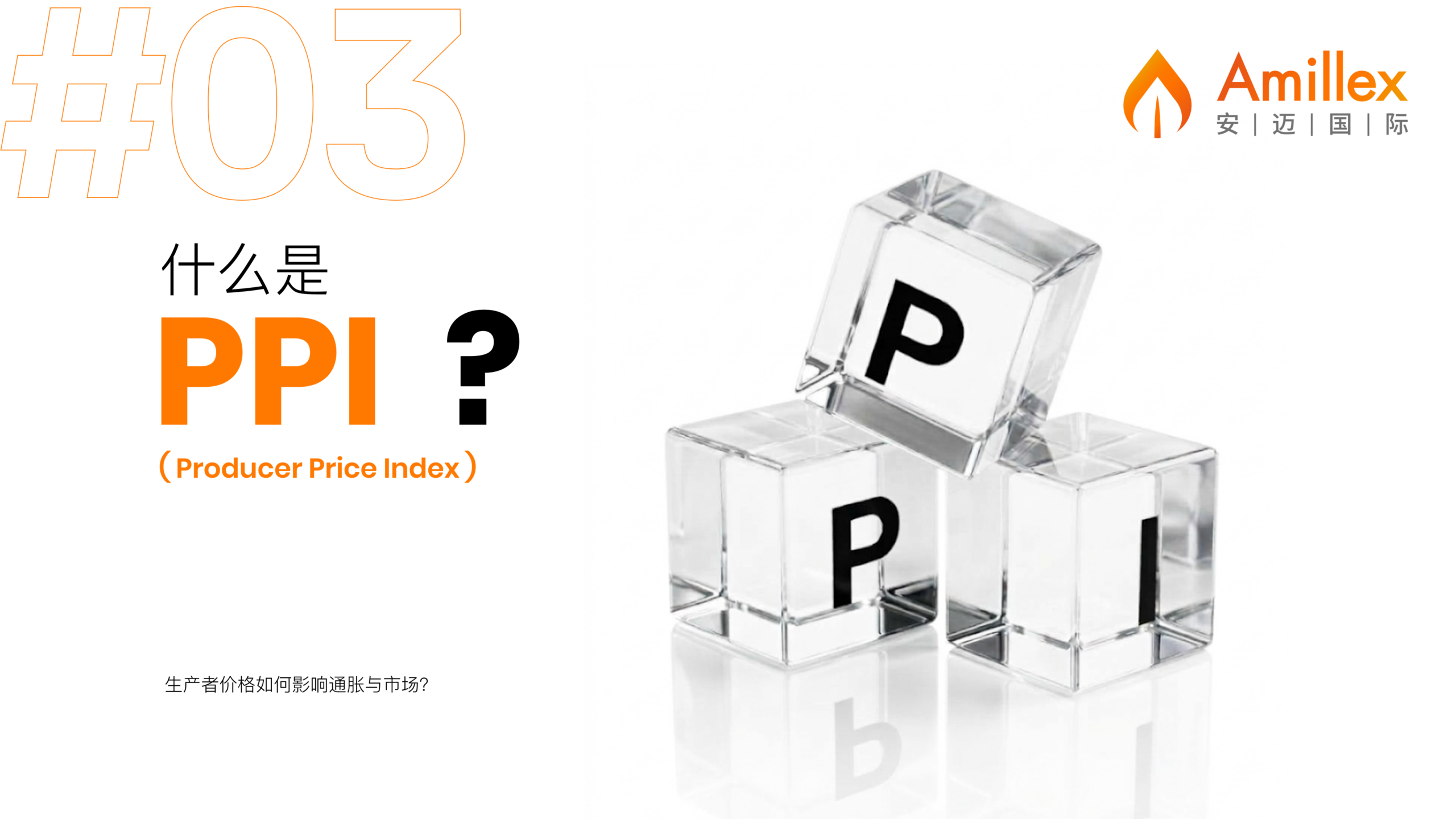
The Producer Price Index (PPI) measures changes in the prices producers receive for the goods and services they sell. It is an important economic indicator that helps market participants understand price movements at the production level and monitor potential inflationary pressures.
Unlike the Consumer Price Index (CPI), which focuses on prices paid by consumers, PPI looks at prices from the producer’s perspective. It provides another way to understand how prices are changing throughout the economy.
How Does PPI Relate to Inflation?
Production costs can change due to fluctuations in raw material prices, energy costs and supply chain expenses. When these costs rise, businesses may increase their selling prices. In some cases, these changes can eventually contribute to higher consumer prices.
However, higher producer prices do not always lead directly to higher consumer prices. Businesses may absorb additional costs or adjust their operations to maintain competitiveness. This is why PPI is best viewed as one of several indicators used to understand inflation trends.
PPI vs CPI: What Is the Difference?
PPI and CPI both measure price changes, but they focus on different stages of the economy.
PPI: Producer Price Index
Tracks price changes at the producer level and provides insight into the prices producers receive for goods and services.
CPI: Consumer Price Index
Tracks changes in the prices consumers pay for a basket of goods and services.
Looking at both indicators together can provide a broader understanding of price pressures across the economy.
Why Does PPI Matter to Traders?
PPI data can influence how market participants assess inflation and future monetary policy expectations. When reviewing a PPI release, traders may pay attention to three key factors:
• Actual results compared with market expectations
• Changes from previous readings
• Whether other inflation indicators, such as CPI and PCE, show similar trends
A higher or lower PPI reading does not automatically determine market direction. Market reactions also depend on other economic data, central bank expectations and prevailing market conditions.
Understanding the Bigger Picture
PPI offers useful insight into price changes at the production level. When considered alongside CPI, PCE and other economic indicators, it can help market participants develop a more complete understanding of inflation trends and changing economic conditions.
Understand the Data. Understand the Market.