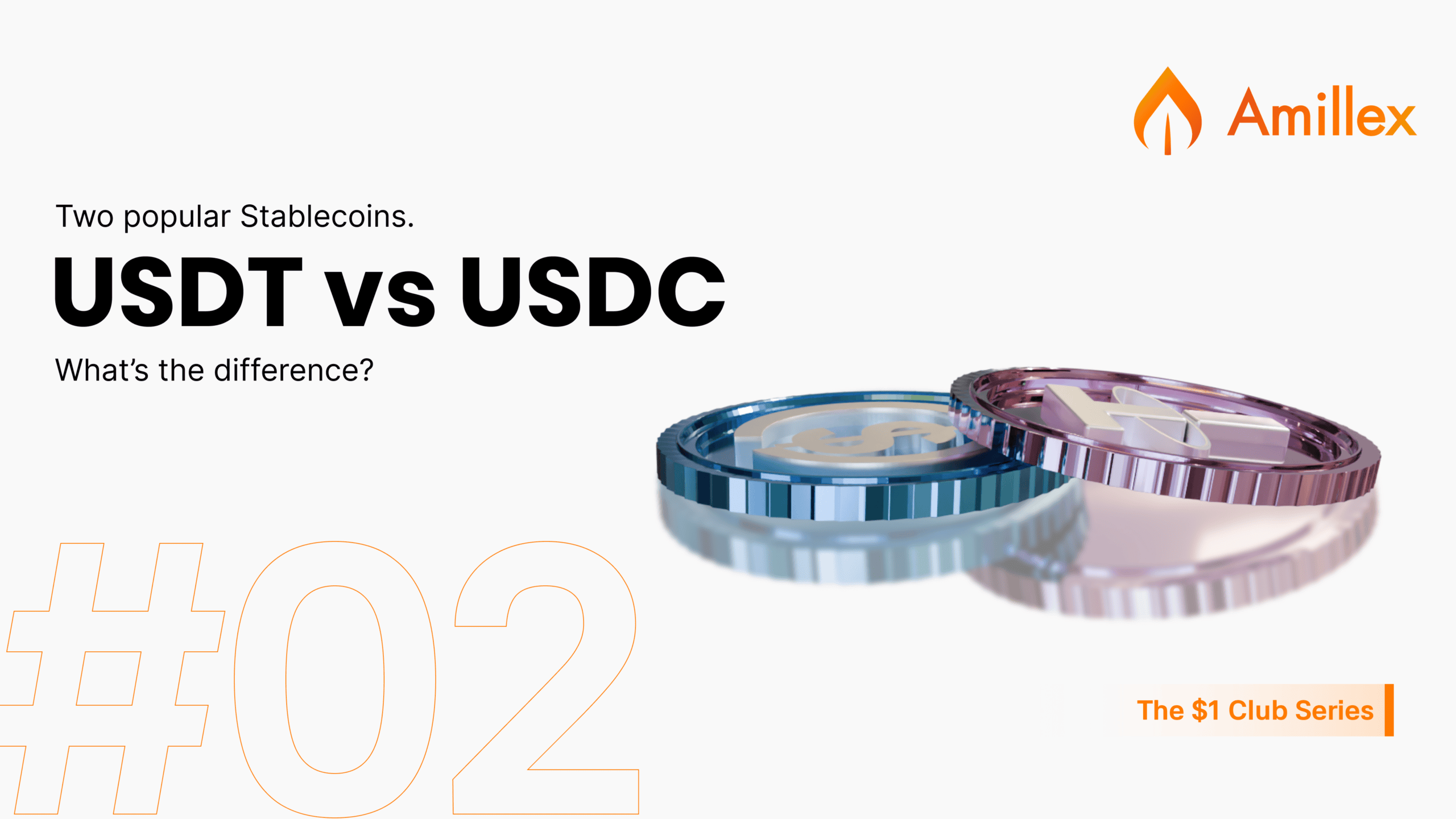
In our previous article, we introduced the fundamentals of Stablecoins and explored why they have become an increasingly important topic in the world of digital finance. Among the many Stablecoins available today, USDT and USDC are two of the most widely recognized names and are often the first ones people encounter when learning about this rapidly evolving space.
Although both are designed to maintain a value close to one US dollar, they differ in their background, issuing organizations, operating models, and areas of adoption. Understanding these differences can provide a clearer picture of how Stablecoins work and the role they play in connecting traditional finance with the growing digital economy.
What Is USDT?
USDT (Tether USD) is a US dollar backed Stablecoin issued by Tether. As one of the earliest Stablecoins introduced to the market, it was designed to reduce the impact of price volatility commonly associated with digital assets by maintaining a value close to the US dollar.
Over the years, USDT has become one of the most widely used Stablecoins worldwide and is available across multiple blockchain networks. Thanks to its early market presence and broad adoption, it has become an important part of the Stablecoin landscape and is commonly used across a wide range of digital applications.
What Is USDC?
USDC (USD Coin) is a US dollar backed Stablecoin issued by Circle. Like USDT, its primary objective is to maintain a value close to one US dollar while combining the efficiency of blockchain technology with the stability of traditional fiat currency.
One of USDC’s key focuses is transparency and regulatory alignment. Through reserve disclosures, operational standards, and greater transparency, USDC has become an important participant in the digital finance ecosystem and continues to see growing adoption across a variety of use cases.
How Are USDT and USDC Different?
While both USDT and USDC are US dollar backed Stablecoins, they have developed along different paths. USDT has built a strong global presence through its early launch and broad adoption, while USDC places greater emphasis on transparency, governance, and closer alignment with the traditional financial system.
In simple terms, USDT is known for its widespread usage and extensive market reach, whereas USDC is recognized for its focus on transparency and operational standards. These differences reflect the diverse approaches taken within the Stablecoin market and highlight the evolving needs of the digital finance industry.
Why Is It Important to Understand Different Stablecoins?
As the digital economy continues to grow, Stablecoins are being used in an expanding range of scenarios. From digital payments and cross border fund transfers to international business settlements and corporate treasury management, they are playing an increasingly important role in supporting modern financial infrastructure.
Understanding the differences between USDT and USDC goes beyond simply recognizing two popular Stablecoins. It also provides valuable insight into how Stablecoins are issued, how they maintain their value, and how they continue to evolve. Their different development strategies also reflect the ongoing pursuit of greater transparency, efficiency, and stability across the digital finance landscape.
The Future of Stablecoins
As global finance becomes increasingly digital, Stablecoins are emerging as an important bridge between traditional finance and blockchain based technologies. More organizations are paying attention to their potential to improve payment efficiency, facilitate the movement of funds, and support the development of next generation financial infrastructure.
Looking ahead, the future of Stablecoins will continue to be shaped by technological innovation, market demand, and evolving regulatory frameworks. Regardless of how the industry develops, Stablecoins have already established themselves as an important part of the digital finance landscape and will likely continue contributing to the ongoing evolution of global financial systems.
Conclusion
USDT and USDC are both important components of today’s Stablecoin ecosystem, each contributing to the growth of digital finance through its own development approach. From market adoption to transparency, they demonstrate how Stablecoins can evolve in different ways while serving a similar purpose.
Understanding the characteristics of different Stablecoins helps build a broader understanding of digital finance and the changing ways value can move in the future. As technology advances and financial systems continue to evolve, Stablecoins are expected to remain an important topic in the future of global finance.