

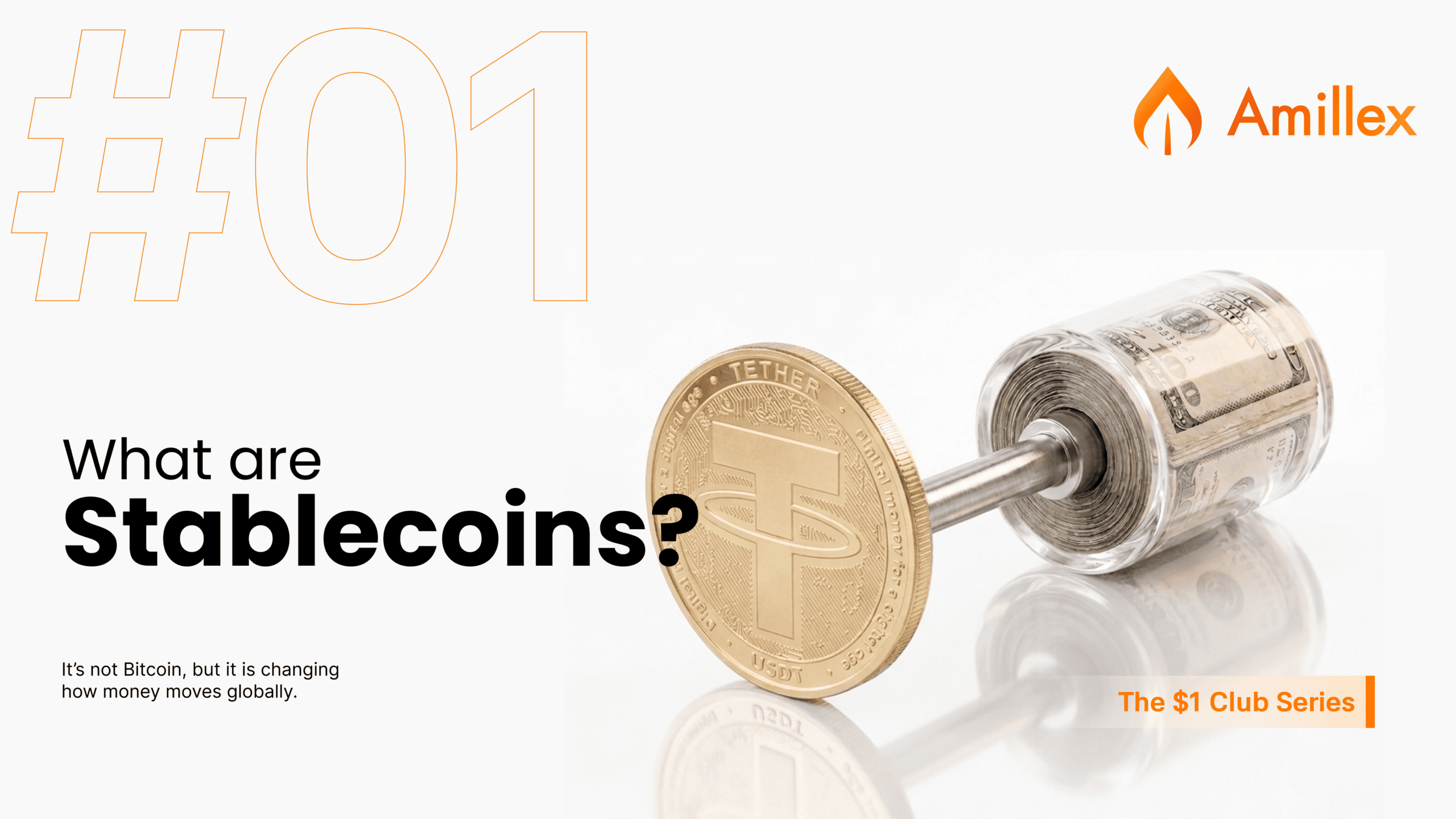
In recent years, stablecoins have become one of the most talked about topics in global finance. From cross border payments and the digital economy to evolving regulatory frameworks, this new class of digital assets is reshaping the way money moves around the world. As adoption continues to grow, stablecoins have attracted increasing attention from financial institutions, technology companies, and policymakers alike. But what exactly are stablecoins, and why are they becoming so important?
Many people assume stablecoins are simply another type of cryptocurrency like Bitcoin. In reality, they serve a very different purpose. While Bitcoin is well known for its price volatility, stablecoins are designed to maintain a relatively stable value. By combining the efficiency of blockchain technology with the stability of traditional fiat currencies, they offer a new approach to digital payments and global money transfers.
What Are Stablecoins?
A stablecoin is a type of digital asset whose value is typically linked to a fiat currency, such as the US dollar. Unlike many cryptocurrencies that experience significant price fluctuations, stablecoins are designed to maintain a stable value rather than generate price appreciation. This makes them an important bridge between traditional finance and the blockchain ecosystem.
Some of the most widely used stablecoins today include USDT, USDC, and FDUSD. Although they all aim to maintain a value close to one US dollar, they differ in areas such as their issuing organizations, reserve assets, transparency, and regulatory frameworks. Understanding these differences is essential, as not all stablecoins operate in the same way.
Why Are More People Paying Attention to Stablecoins?
As the global economy becomes increasingly digital, the demand for faster and more efficient cross border payments continues to grow. Traditional international transfers can involve longer processing times, higher transaction costs, and limitations imposed by banking hours. These challenges have encouraged businesses and financial institutions to explore alternative payment solutions.
Today, stablecoins are being used for far more than personal transfers. Their applications continue to expand across international trade settlement, corporate treasury management, and digital financial services. As more organizations explore their potential, stablecoins are playing an increasingly important role in improving the speed, flexibility, and efficiency of global payments.
Are Stablecoins Always Safe?
Although stablecoins are designed to maintain price stability, that does not mean every stablecoin offers the same level of security or reliability. Different projects vary in their issuing organizations, reserve management practices, transparency, and regulatory oversight, which can influence market confidence.
Before using a stablecoin, it is worth considering several key factors. These include the credibility of the issuer, whether the reserve assets are sufficiently backed and transparently disclosed, and whether regular reserve reports or independent audits are available. Understanding these elements can provide a clearer picture of how a stablecoin operates and the level of confidence it may offer.
How Could Stablecoins Shape the Future of Finance?
As digital finance continues to evolve, stablecoins are becoming much more than a tool within the digital asset market. They are increasingly viewed as a key component of modern financial infrastructure. From cross border payments and international trade to corporate treasury management, their use cases continue to expand as governments around the world develop regulatory frameworks to support responsible innovation.
Whether stablecoins will fundamentally reshape the global payments landscape remains to be seen. However, their growing adoption suggests they are likely to play an increasingly important role in the future of finance. As payment systems continue to evolve, stablecoins are emerging as one of the building blocks of a more connected and efficient global financial ecosystem.
결론
The rise of stablecoins reflects more than just the evolution of digital assets. It represents a broader shift toward a faster, more efficient, and increasingly digital financial system. As their applications continue to expand across payments, commerce, and corporate finance, stablecoins are opening new possibilities for the movement of money worldwide.
As technology advances and regulatory frameworks continue to mature, the role of stablecoins in the global financial ecosystem will remain an important topic to watch. Whether you are an investor, a business owner, or simply interested in the future of finance, understanding how stablecoins work is an important step toward navigating the next generation of global finance.