

1. Pourquoi de plus en plus de personnes se mettent-elles au copy trading ?
Ces dernières années, le copy trading a gagné en popularité dans le secteur du trading. Avec la croissance continue du trading automatisé, de plus en plus de traders se tournent vers les systèmes de copy trading plutôt que de s'appuyer uniquement sur l'analyse et l'exécution manuelles. Pour les débutants, le trading est souvent difficile à appréhender au premier abord. L'analyse technique, le timing du marché et la gestion des risques exigent du temps, de l'expérience et un apprentissage continu. C'est pourquoi le copy trading est devenu une alternative pour de nombreuses personnes souhaitant accéder au marché.
Certains traders cherchent à réduire le stress lié à la surveillance constante des graphiques, tandis que d'autres souhaitent apprendre en observant les traders expérimentés. De ce fait, le copy trading n'est plus considéré comme une pratique marginale, mais comme une composante croissante du trading moderne. Cependant, malgré sa popularité, le copy trading reste souvent mal compris. Pour certains, le terme évoque simplement des “ profits automatiques ” ou du “ trading sans apprentissage ”. En réalité, le copy trading, lorsqu'il est pratiqué par des personnes expérimentées, est bien plus structuré.
2. Qu'est-ce que le copy trading exactement ?
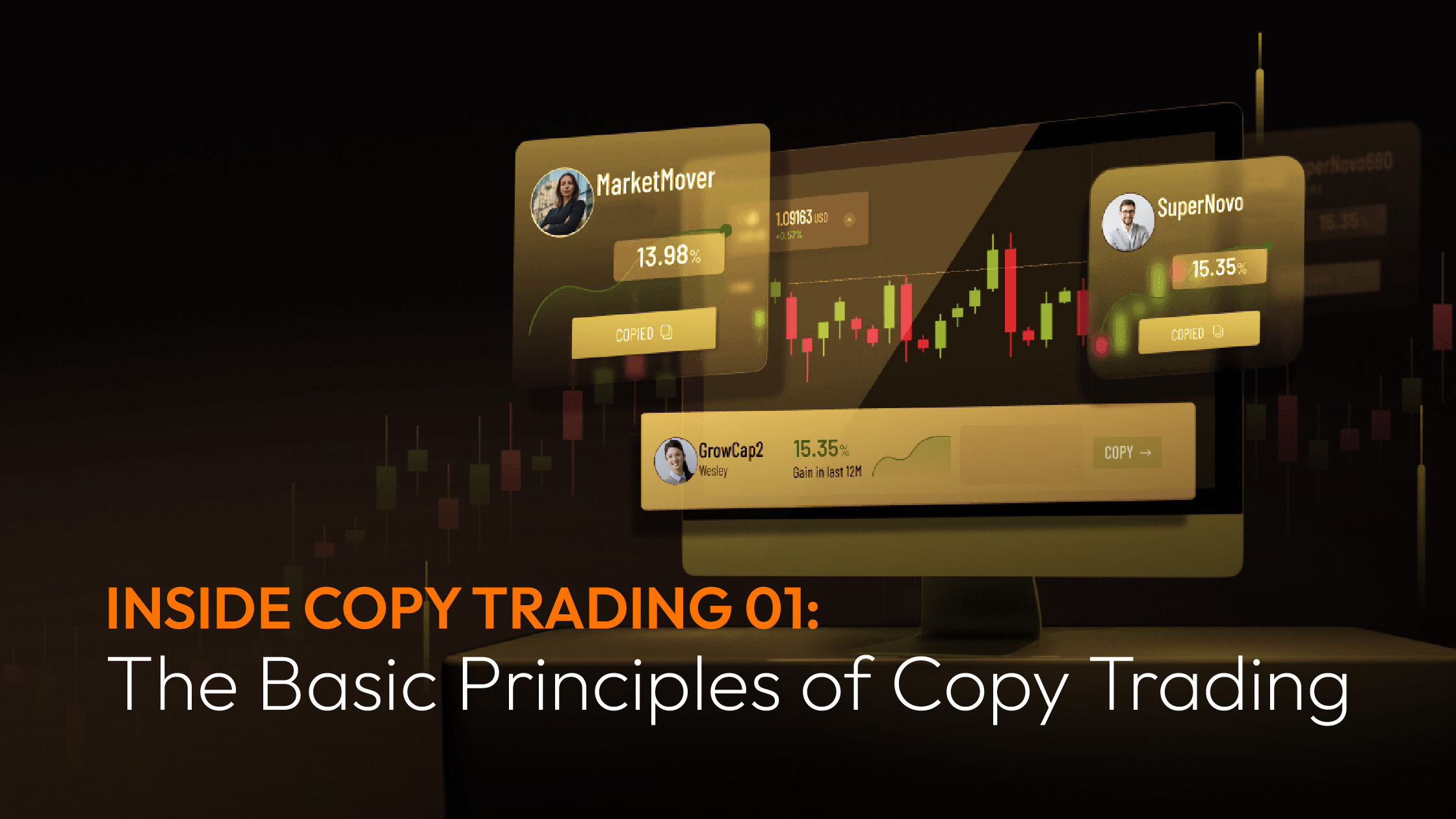
En clair, le copy trading ne consiste pas à confier la gestion de son compte à quelqu'un d'autre. Il s'agit d'un système permettant de reproduire automatiquement la stratégie et l'activité de trading d'un autre trader. Lorsqu'un utilisateur choisit de suivre un trader, les actions telles que l'ouverture et la fermeture de positions, les ordres stop loss et take profit sont automatiquement synchronisées avec le compte du suiveur. Ce processus s'effectue en temps réel, sans que l'utilisateur ait à intervenir manuellement sur chaque transaction.
En d'autres termes, le principe du copy trading repose sur la réplication des transactions. L'utilisateur conserve la propriété et le contrôle de son compte et de ses fonds, tandis que le système gère la synchronisation. Par exemple, si un trader ouvre une position d'achat sur l'or (XAUUSD), le compte du suiveur peut exécuter automatiquement une transaction similaire, proportionnellement à la taille de son propre compte. Les systèmes de copy trading professionnels sont généralement conçus pour ajuster la taille des positions en fonction du solde du compte, permettant ainsi aux utilisateurs de mieux gérer les risques au lieu de copier aveuglément des volumes de transactions identiques.
3. Les systèmes de copy trading ne se limitent pas à l'automatisation.
Beaucoup pensent que le copy trading se résume à un simple outil de trading automatique. Pourtant, un système de copy trading performant n'est pas conçu pour permettre aux utilisateurs de gagner de l'argent sans effort. Son véritable objectif est de rendre la participation au trading plus systématique, structurée et efficace. En conditions de marché réelles, la vitesse d'exécution est cruciale. En période de volatilité, les retards, le slippage ou une synchronisation instable peuvent engendrer des écarts importants entre les résultats du trader et les performances réelles du suiveur.
C'est pourquoi la stabilité et la qualité de l'infrastructure de copy trading sont primordiales. La répartition des risques est un autre élément clé. Les systèmes fiables ajustent généralement la taille des positions en fonction des fonds propres du compte, permettant ainsi aux utilisateurs d'éviter une exposition excessive due aux différences de capital. Par ailleurs, de nombreuses plateformes professionnelles fournissent des statistiques de performance transparentes, telles que les taux de rendement, le drawdown maximal, les niveaux de risque et l'historique des transactions. Cela permet aux utilisateurs d'évaluer la régularité et le profil de risque d'un trader, au lieu de se focaliser uniquement sur les gains à court terme. En effet, des rendements élevés ne sont pas forcément synonymes de faible risque.
4. Pourquoi tant de débutants s'intéressent-ils au copy trading ?
Pour de nombreux débutants, le plus grand défi n'est pas d'apprendre à passer des ordres, mais d'apprendre à participer régulièrement au marché sur le long terme. Les décisions prises sous le coup de l'émotion, le surtrading et le manque de discipline sont des raisons fréquentes des difficultés rencontrées par les nouveaux traders. Le copy trading permet, dans une certaine mesure, d'atténuer l'impact de ces erreurs émotionnelles en proposant une approche plus structurée de la participation au marché.
Le copy trading est particulièrement intéressant pour ceux qui n'ont pas le temps de suivre les marchés en permanence. Au lieu d'analyser constamment les graphiques ou de suivre chaque mouvement du marché, les utilisateurs peuvent s'appuyer sur le système pour exécuter automatiquement des transactions selon la stratégie du trader sélectionné. Par ailleurs, certains utilisateurs se servent également du copy trading comme outil d'apprentissage. En observant comment les traders expérimentés gèrent les entrées, les sorties et les risques, ils développent progressivement leur propre compréhension du trading. Ainsi, le copy trading ne se résume pas à “ dépendre des autres ”, mais peut aussi s'intégrer au parcours d'apprentissage d'un trader.
5. Le copy trading n'élimine pas le risque
Aussi sophistiqué soit-il, le copy trading reste une forme de trading, et tout trading comporte des risques. Même les traders les plus expérimentés connaissent des périodes de pertes. Les marchés évoluent constamment et aucune stratégie ne peut garantir un taux de réussite de 100 % indéfiniment. C'est pourquoi considérer le copy trading comme un outil de profit garanti conduit souvent à des attentes irréalistes.
En réalité, le copy trading mature ne consiste pas à rechercher le trader le plus rentable. Il s'agit plutôt de trouver des traders capables de gérer le risque de manière constante sur le long terme. La stabilité, la discipline et une gestion rigoureuse des risques sont souvent bien plus importantes que des gains exceptionnels à court terme. Un trader qui génère des profits importants en peu de temps n'a pas forcément une stratégie durable. En revanche, les traders qui maîtrisent leurs pertes et appliquent une exécution disciplinée sont généralement mieux placés pour réussir sur le long terme sur le marché.
6. Comment le copy trading transforme la participation au marché moderne
Avec l'évolution constante des technologies de trading, de plus en plus d'étapes du processus s'automatisent. De l'exécution algorithmique à la gestion des stratégies en passant par les écosystèmes de copy trading, le marché s'éloigne progressivement du modèle traditionnel du trading individuel. Les systèmes de copy trading s'inscrivent dans une tendance plus large vers une participation plus structurée et pilotée par la technologie.
Aujourd'hui, de plus en plus de traders privilégient la qualité d'exécution, la discipline et la gestion des risques plutôt que la simple recherche de profits à court terme. Le rôle du copy trading s'étend également au-delà de la simple commodité. Il est de plus en plus perçu comme un moyen d'optimiser la participation aux marchés financiers. Cependant, quelles que soient les avancées technologiques en matière de trading, un principe demeure inchangé : le succès à long terme en trading dépendra toujours d'une bonne gestion des risques.
7. À propos du système de copy trading Amillex
En pratique, certaines plateformes de trading ont commencé à intégrer des systèmes de copy trading à leur écosystème, permettant ainsi aux utilisateurs d'ouvrir un compte, de trader et de répliquer des stratégies au sein d'un environnement unique. Par exemple, Amillex Global, plateforme de trading axée sur l'utilisateur, propose également une fonctionnalité de copy trading, afin de rendre l'accès au marché plus accessible aux traders de tous niveaux d'expérience.
L'un des principaux axes de conception de la plateforme est l'optimisation du processus de trading en fonction des besoins des utilisateurs, notamment grâce à des opérations simplifiées, une exécution système stable et des informations de trading transparentes. Ceci permet aux utilisateurs de mieux comprendre les stratégies qu'ils appliquent. Pour les débutants, ces systèmes intégrés facilitent l'apprentissage, tandis que pour les traders expérimentés, ils permettent une gestion et une réplication plus efficaces des stratégies.